

New Study: Wood-Based Black Pigments Work in Dope Dyeing
BioBlack’s wood-based pigment has been successfully validated from pigment through finished fabric for performance and environmental impact in dope-dyed man-made cellulosic fiber (MMCF).

Forty Thousand Years of Black, and Only Seventy of Them Petroleum
Humans have been making black colorants from plants for longer than we have had agriculture, writing, or cities. The fossil fuel era is the short and strange chapter in that story.

EPR Fees Are Coming for Textiles. Your Pigment Choice Will Affect the Bill.
As EU member states define their national EPR schemes for textiles throughout 2026, eco-modulated fees will reward brands using plant-based inputs and penalize those still relying on petroleum-derived chemistry.
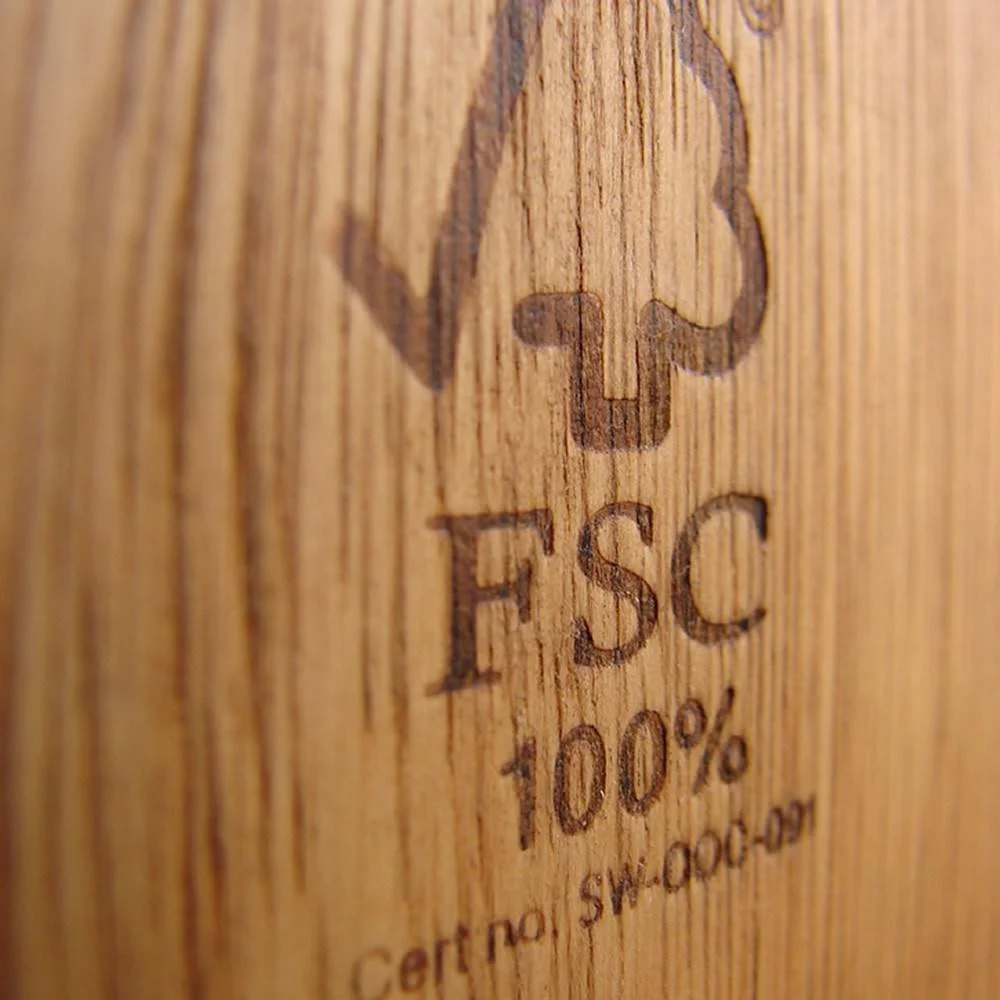
Why FSC Certification Matters for the Future of Bio-Based Color
Bio-based is only a credible substitute for petroleum if the biomass behind it is responsibly sourced. Forest Stewardship Council certification is how the industry proves it.

The Carbon Number on Your Colorant Line
Carbon black is one of the most emissions-intensive inputs in a textile supply chain, and Scope 3 filings are about to put that number in front of every brand manufacturers sell into.

2026: When Sustainability Mandates Reach the Materials Layer
Across global markets, a wave of sustainability mandates moves from frameworks and reporting pilots into enforceable, audited, and financially material requirements. Here is how those mandates will impact your specific industry.

CASE STUDY: How iTextiles Empowers Pakistan’s Textile Industry with BioBlack
iTextiles, a premier textile solutions provider in Pakistan, embarked on a global search to find a truly revolutionary black pigment to introduce to their market.

CASE STUDY: TS Designs’ Sustainability Journey — Replacing Carbon Black with BioBlack
TS Designs, a leading textile manufacturer based in the United States, put Nature Coatings’ BioBlack to the test against petroleum carbon black and several other bio-based pigments on the market.