
CASE STUDY: How iTextiles Empowers Pakistan’s Textile Industry with BioBlack
Executive Summary
iTextiles, a premier textile solutions provider in Pakistan, embarked on a global search to find a truly revolutionary black pigment to introduce to their market. After a rigorous selection process testing against conventional petroleum-based and bio-based options, they chose to represent Nature Coatings’ BioBlack TX.
Results have been exceptional: BioBlack TX has been described as a "fire push product" in the region, generating immediate interest from major manufacturers. By positioning the pigment as a cost-effective, planet-positive premium solution, iTextiles successfully facilitated trials and production runs with top-tier mills for global giant brands.
Introduction: A Mission for the Future
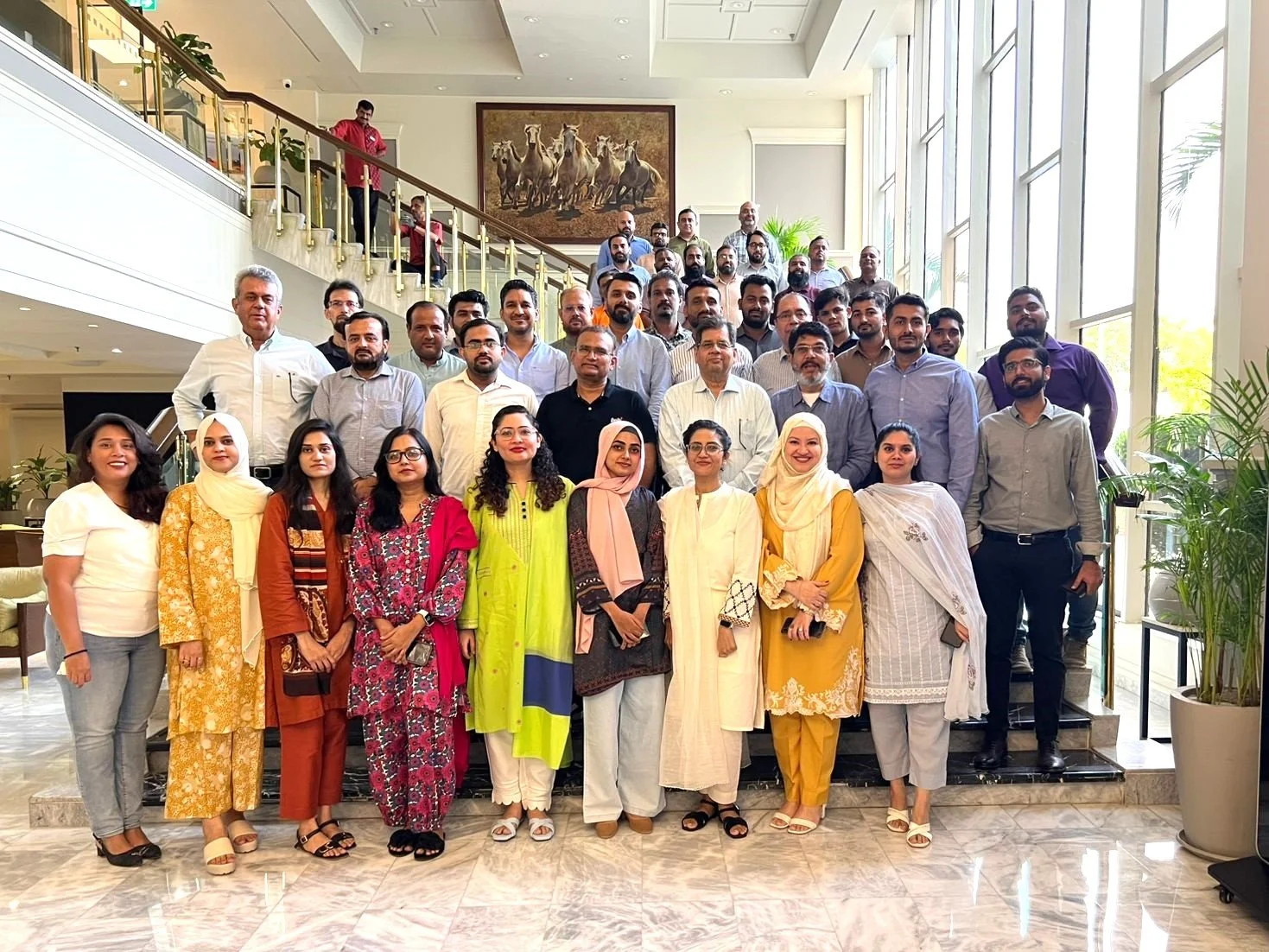
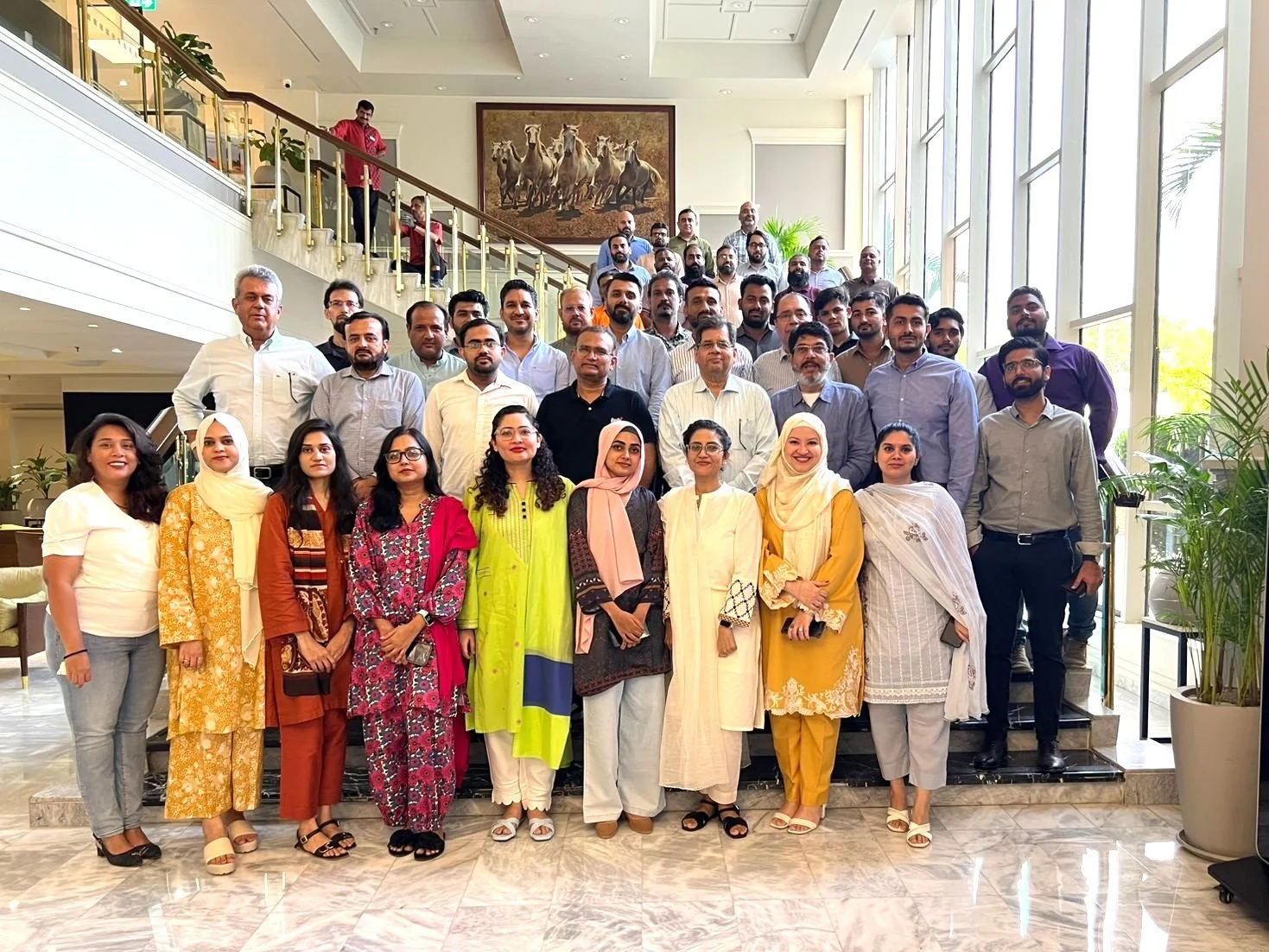
The iTextiles team based in Pakistan.
For years, iTextiles has operated with a clear mission: to provide the Pakistani textile industry with cutting-edge, sustainable solutions that meet the rigorous demands of the global market. They view themselves not just as a distributor, but as a strategic partner enabling manufacturers to produce goods that shape the next generation of global fashion.
The team at iTextiles understood that to transition the industry toward sustainable practices at scale, they needed to offer materials that served as a "passport to the future of sustainable textiles." This mindset led them to seek out an exclusive partnership that could replace hazardous industry standards with a renewable alternative.
The Challenge: A Critical Pivot for Pakistan's Textile Sector
Textiles are a pillar of Pakistan’s economy, contributing heavily to national exports and employment. However, this economic powerhouse is facing a "triple threat" of environmental degradation, energy insecurity, and tightening international compliance.
1. The Hidden Cost of "Standard" Black: For decades, the industry standard for black pigment was Carbon Black, but its deep, rich color comes with significant baggage. Traditional Carbon Black is produced by burning petroleum oil in oxygen-limited conditions. Globally, this process generates approximately 4.62 million tons of CO2e annually.
In Pakistan, the environmental stakes are even higher. The local textile sector is responsible for nearly 9% of the country's total greenhouse gas emissions, emitting approximately 8.1 million tons of carbon annually. With the country ranking consistently among the top 10 most vulnerable to climate change—evidenced by devastating floods and extreme heatwaves affecting cotton crops—reducing this carbon footprint has become an existential necessity.
2. Toxicity and Worker Safety: Beyond emissions, iTextiles had to address the severe toxicity issues plaguing the local wet processing sector. Traditional denim coatings and printing with CB often involves Polycyclic Aromatic Hydrocarbons (PAHs), heavy metals like cadmium and lead, and synthetic chemicals that are carcinogenic and non-biodegradable.
In industrial hubs like Faisalabad and Karachi, untreated chemical runoff has contaminated vital waterways such as the Ravi River, threatening aquatic life and entering the food chain. Furthermore, textile workers face direct health risks, including respiratory illnesses and skin diseases, from exposure to hazardous fine particulates and volatile chemicals found in standard carbon black pigments.
3. The Compliance Imperative (GSP+ and CBAM) Pakistani exporters operate under the European Union’s GSP+ status, which grants duty-free access but requires strict adherence to international environmental and labor conventions. The pressure is mounting with the EU's incoming Carbon Border Adjustment Mechanism (CBAM), scheduled for full implementation by 2030. This mechanism will impose carbon tariffs on carbon-intensive imports, directly threatening the competitiveness of Pakistani manufacturers who fail to decarbonize their supply chains.
iTextiles recognized that for their network of mills to survive and thrive, they needed a pigment that not only offered deep shade depth but also served as a tool for compliance—meeting the rigorous "Eco-Score" and "Eco-Design" criteria emerging in Western markets.
The Solution: BioBlack TX
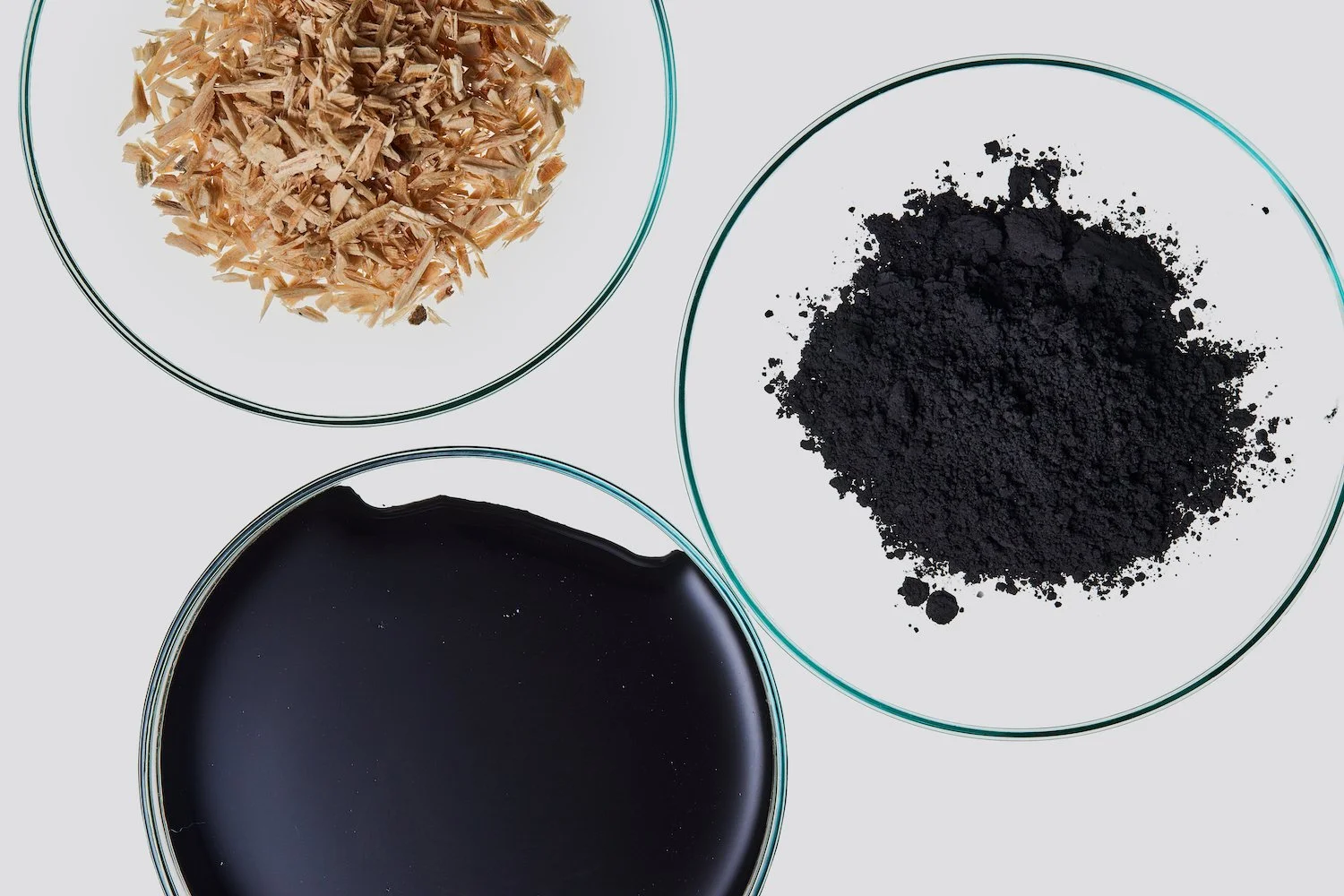
iTextiles chose Nature Coatings after a global search because the black pigment chemical company represents the "gold standard" in sustainable carbon black. Its BioBlack TX is a 100% bio-based, certified black pigment made from FSC® certified wood waste.
Key factors in iTextiles’ decision included:
Carbon Negative Footprint: Unlike its petroleum-based predecessors, the BioBlack TX production process releases zero detected PAHs and involves no burning of fossil fuels. This directly supports mills in lowering their Scope 3 emissions to meet EU targets.
Worker & Environmental Safety: The bio-based black pigment is non-toxic, PAH-free, and free from the heavy metals associated with conventional pigments, ensuring safer working conditions and cleaner effluent discharge.
Global Validation: As a US-based innovator, Nature Coatings was already the supplier of choice for forward-thinking brands across North America and Europe, offering immediate credibility to Pakistani exporters.
“We chose Nature Coatings after a rigorous selection process because they represent the gold standard in sustainable carbon black.”
Implementation: Market Dynamics & Application
Bringing a sustainable product to a cost-sensitive market like Pakistan presented challenges. The local industry is grappling with high energy tariffs (13-16 cents/kWh) and frequent power outages, making cost efficiency a primary concern for mill owners.
The market response was overwhelmingly positive. iTextiles positioned BioBlack TX not as a commodity, but as a high-value differentiator that "future-proofs" exports against carbon taxes and regulatory bans.
While smaller mills require more brand support to adopt premium materials, larger mills with direct connections to global brands recognized the value. Adoption has been driven by a willingness among discerning customers to pay for verified sustainability that secures their market access in the West.
“Our decision, however, wasn’t based solely on their outstanding environmental credentials; it was also driven by their proven global reach.”
Results: A Passport to Global Markets
Through a structured approach, iTextiles has successfully integrated BioBlack into the supply chains of leading manufacturers in Pakistan. Several mills are now utilizing the product for special orders and commercial production.
Key Milestones:
Adoption by Industry Leaders: Successful trials and adoption have occurred with major manufacturers.
Exhibition Showcases: iTextiles customers are actively showcasing samples using BioBlack TX for various international exhibitions.
“Our search for a truly revolutionary black pigment led us on a global journey, culminating in an exclusive partnership with Nature Coatings.”
Conclusion
The partnership between iTextiles and Nature Coatings has proven that the Pakistani textile industry is ready to lead in sustainability. By replacing petroleum-based carbon black with BioBlack TX, iTextiles is enabling manufacturers to offer goods made with the same premium, planet-positive materials utilized by top global brands.
As the industry continues to evolve under the pressures of climate change and international regulation, iTextiles remains committed to promoting materials that ensure resilience, safety, and environmental responsibility in the supply chain.
“By bringing Nature Coating’s technology to Pakistan through iTextiles, we are not just offering a product; we are offering a passport to the future of sustainable textiles.”
