

There Is No Longer a Category Where PFAS Aren’t A Problem
Packaging was the last of our industries to get a hard deadline. It arrived this month.

New Study: Wood-Based Black Pigments Work in Dope Dyeing
BioBlack’s wood-based pigment has been successfully validated from pigment through finished fabric for performance and environmental impact in dope-dyed man-made cellulosic fiber (MMCF).

Forty Thousand Years of Black, and Only Seventy of Them Petroleum
Humans have been making black colorants from plants for longer than we have had agriculture, writing, or cities. The fossil fuel era is the short and strange chapter in that story.

Decoupling Supply Chains from Petroleum Volatility
Relying on petroleum-derived inputs is a structural liability. As Q1 2026 market data demonstrates, the cost of carbon black is tethered to geopolitical instability, leaving procurement leads across diverse industries exposed to identical margin pressures.
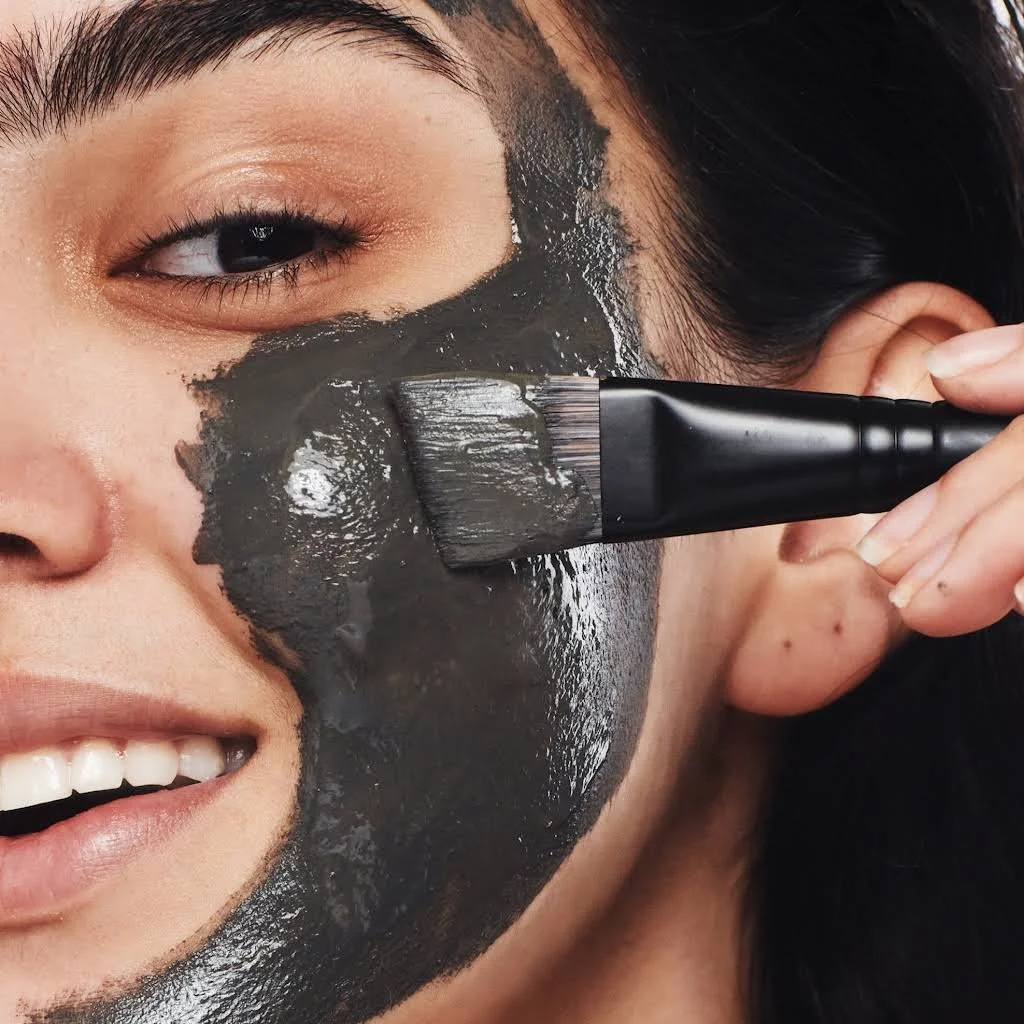
Why Blacker Personal Care Products Sell Better
The strange psychology behind why consumers reach for the darker bar of soap, the inkier mask, the deeper detergent.

EPR Fees Are Coming for Textiles. Your Pigment Choice Will Affect the Bill.
As EU member states define their national EPR schemes for textiles throughout 2026, eco-modulated fees will reward brands using plant-based inputs and penalize those still relying on petroleum-derived chemistry.

The Formulator's Guide to a Truly Clean Eyeliner
Eyeliner is applied closer to the eye's mucous membrane than any other cosmetic product, yet most formulations still depend on a petroleum-derived pigment classified as a possible human carcinogen.

The Formulator’s Guide to a Truly Clean Mascara
Mascara is the hardest clean beauty swap in the category. Here’s why — and what a formulation built without compromises actually looks like, ingredient by ingredient.

Bio-Based Black Has a Credibility Problem. Here's How to Navigate It.
The bio-based materials market is maturing fast — and not always in the right direction. Here's what that means, and what to do about it.
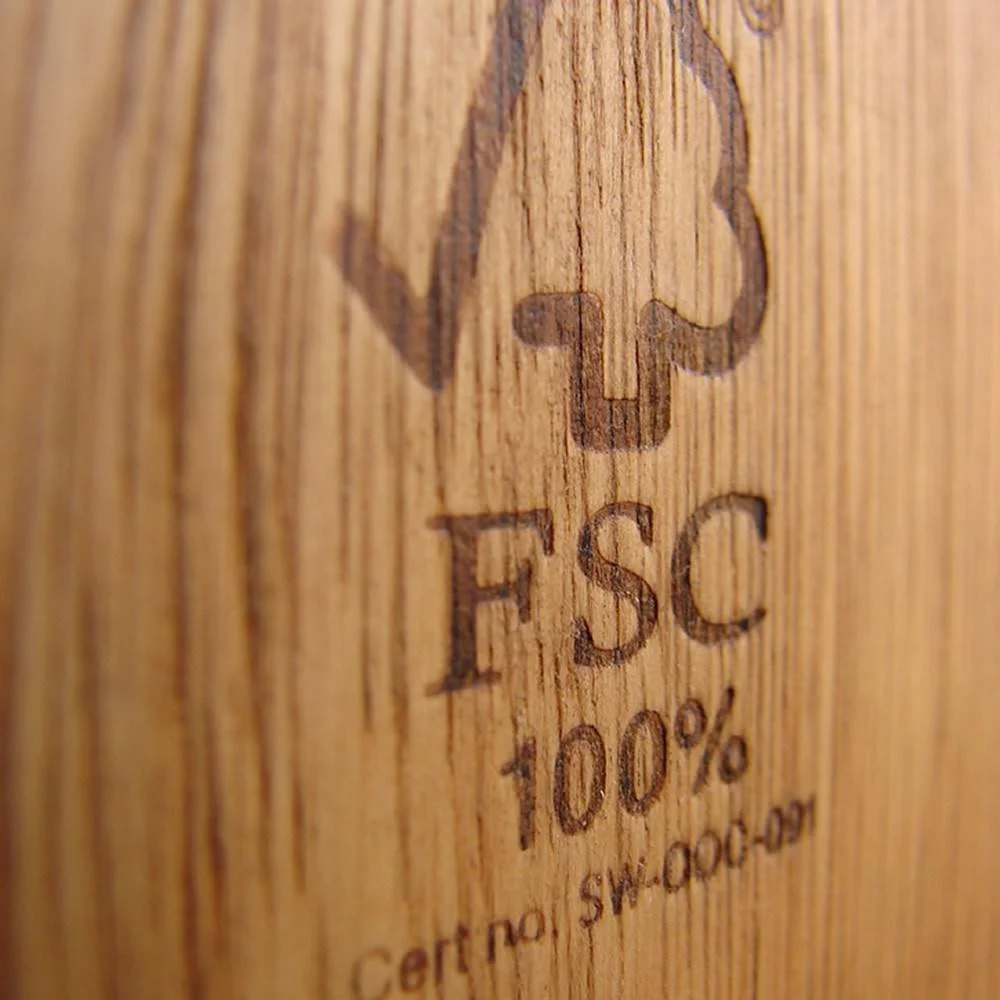
Why FSC Certification Matters for the Future of Bio-Based Color
Bio-based is only a credible substitute for petroleum if the biomass behind it is responsibly sourced. Forest Stewardship Council certification is how the industry proves it.

How to Talk to Brands About BioBlack Beauty: A Manufacturer's Playbook
If you formulate for beauty brands, you already know the question is no longer whether to switch to bio-based. It's how to explain the switch in a way the brand team can sell internally. This is the script to do that.

The Carbon Number on Your Colorant Line
Carbon black is one of the most emissions-intensive inputs in a textile supply chain, and Scope 3 filings are about to put that number in front of every brand manufacturers sell into.

Asphalt at $787 a Ton Changes Everything
Liquid asphalt pricing has broken past historical norms, and facilities budgets built on routine repave cycles are not going to hold.

The ESPR Clock Is Already Running for Cosmetics
The EU's Ecodesign for Sustainable Products Regulation is reshaping what every ingredient on a cosmetic formulation deck has to prove, and the quiet parts are getting loud.

Your Parking Lot Is Costing You More Than You Think
Your parking lot is silently draining your budget, your brand, and your liability coverage — and a bio-based rejuvenator can fix it for a fraction of the cost of replacement.
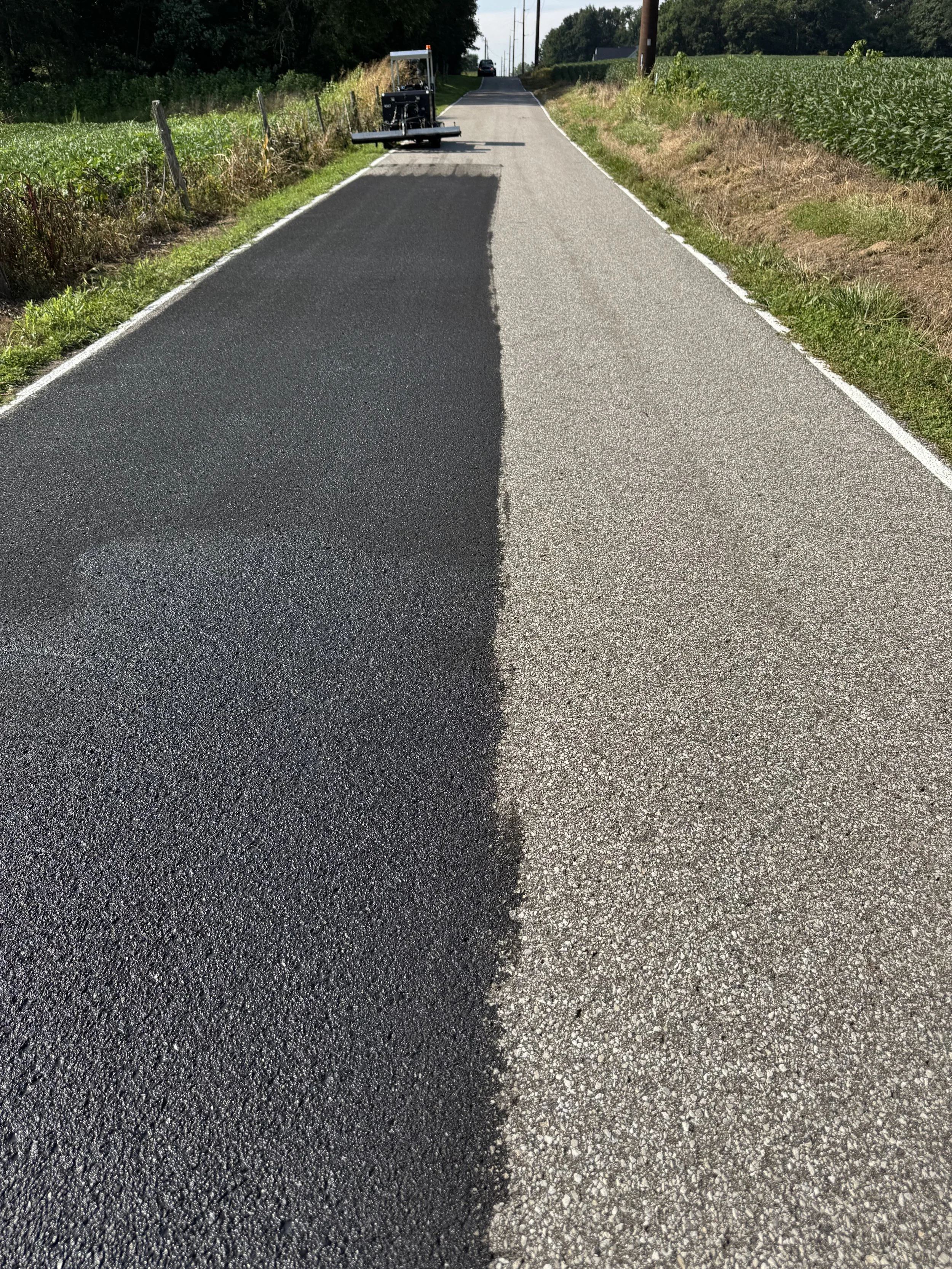
Repaving Costs a Fortune. Rejuvenation Costs a Fraction.
This post makes the case for asphalt rejuvenation over repaving and sealcoating — and explains why BioBlack AR gives contractors and facilities managers the performance they need without the hazardous chemistry they've been forced to work around for decades.

Nobody Wants an Oil Slick on Their Face
The beauty industry made do with carbon black for as long as it had to. The formulators who built their careers around it were talented, rigorous, and working with the best available materials. That history deserves respect. But history is also the setup for what comes next.
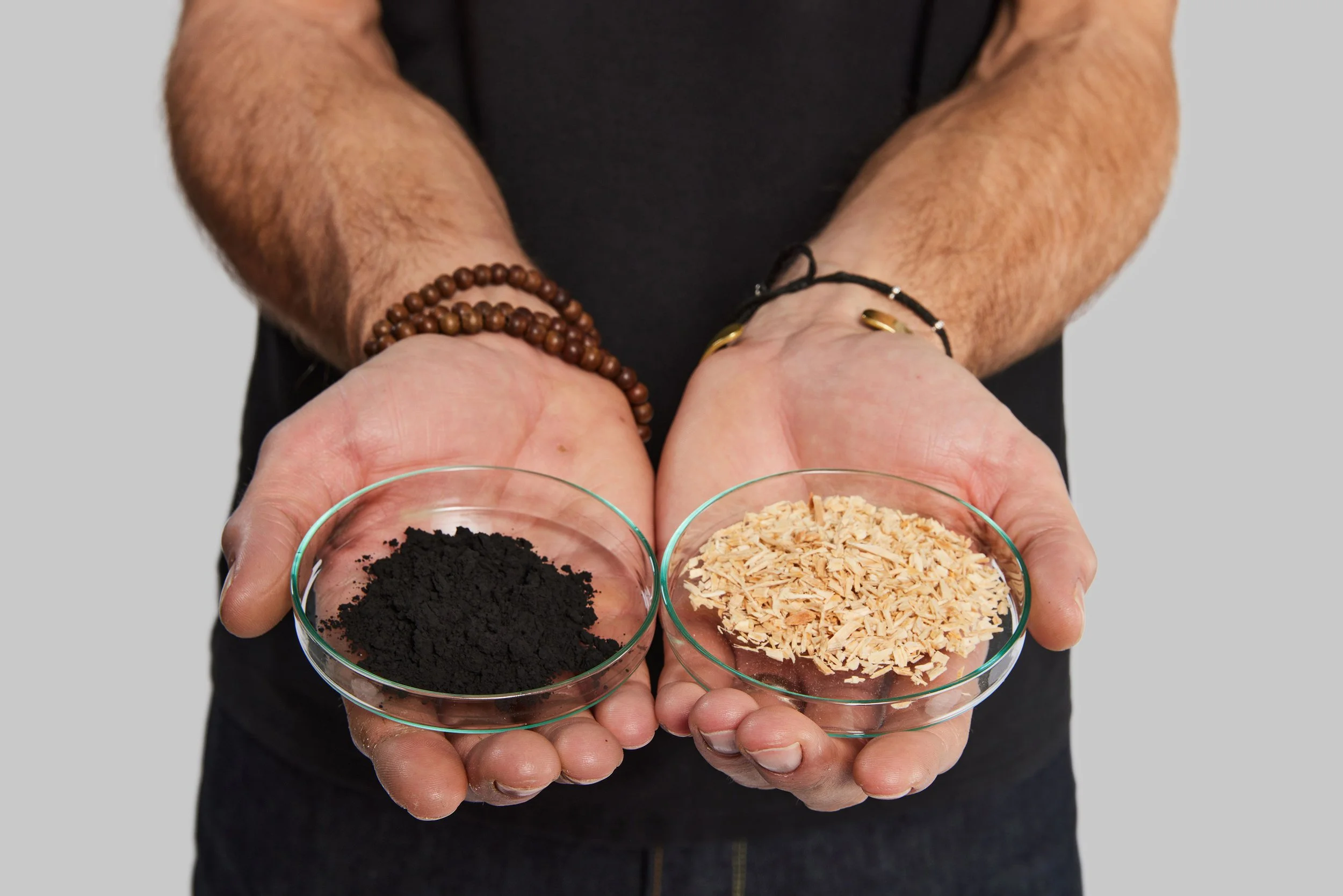
5 Challenges & Solutions to De-Risk Your Textile Supply Chain
This post explores supply chain risk in textile materials innovation, explaining how regulatory changes, transparency demands, and reliance on fossil-derived carbon black can expose brands to instability and reputational damage — and what to do about it.

What If Your Parking Lot Lasted 30% Longer? Now It Can.
Today, we're announcing the launch of BioBlack AR™, a bio-based asphalt rejuvenator engineered to dramatically extend the service life of pavement infrastructure. Designed for high-traffic environments—municipal roadways, logistics centers, retail parking lots, airport surfaces, and more—BioBlack AR™ moves well beyond the surface-level approach of conventional sealcoating to deliver deep-penetrating structural preservation.
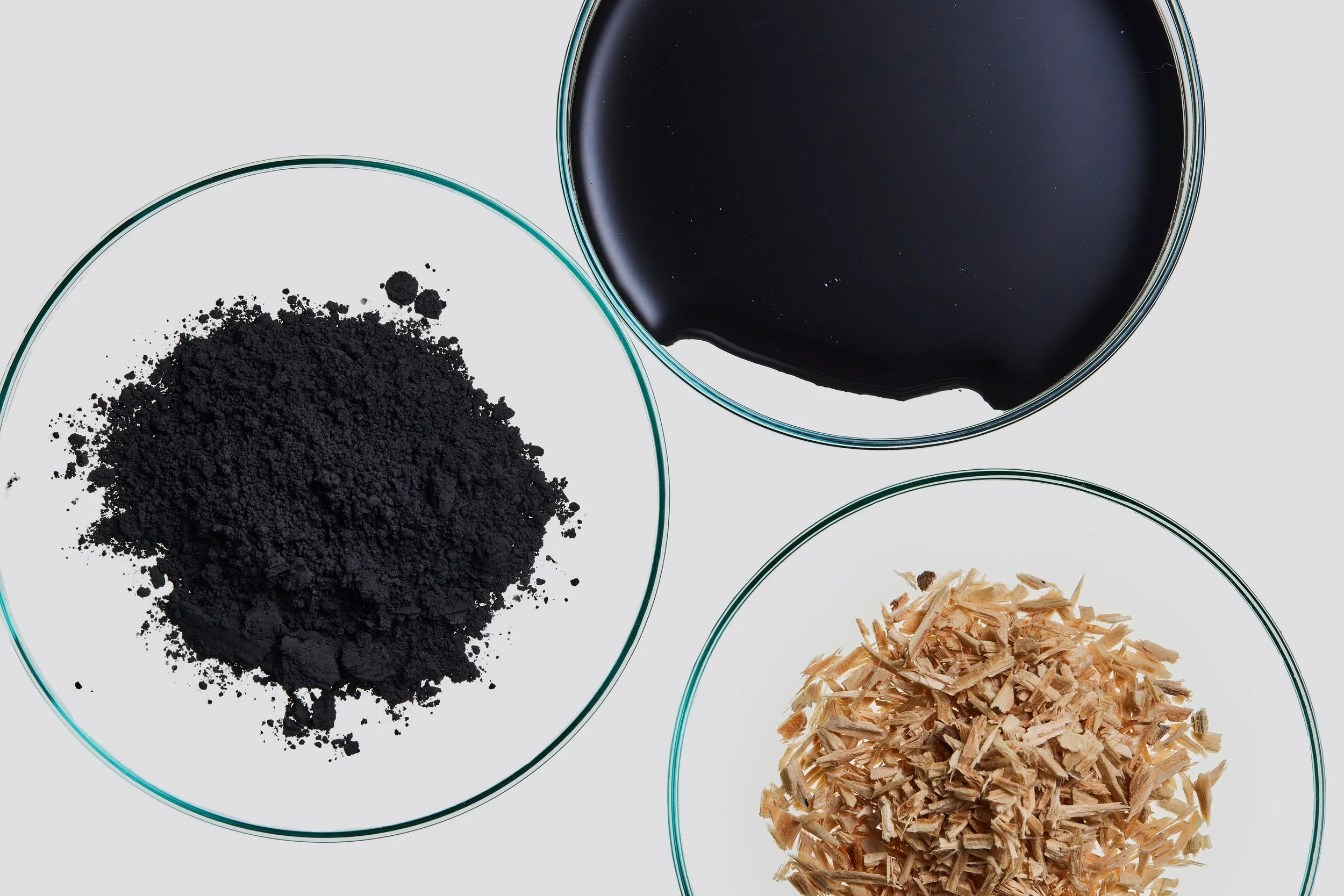
From Forest to Finish: How Nature Coatings is Redefining Industrial Standards Through Bio-based Chemistry
On National Biobased Products Day, Nature Coatings joins the national conversation to emphasize the vital role of the U.S. bioeconomy and the transformative potential of renewable resources.