

There Is No Longer a Category Where PFAS Aren’t A Problem
Packaging was the last of our industries to get a hard deadline. It arrived this month.

EPR Fees Are Coming for Textiles. Your Pigment Choice Will Affect the Bill.
As EU member states define their national EPR schemes for textiles throughout 2026, eco-modulated fees will reward brands using plant-based inputs and penalize those still relying on petroleum-derived chemistry.

The Carbon Number on Your Colorant Line
Carbon black is one of the most emissions-intensive inputs in a textile supply chain, and Scope 3 filings are about to put that number in front of every brand manufacturers sell into.

The ESPR Clock Is Already Running for Cosmetics
The EU's Ecodesign for Sustainable Products Regulation is reshaping what every ingredient on a cosmetic formulation deck has to prove, and the quiet parts are getting loud.
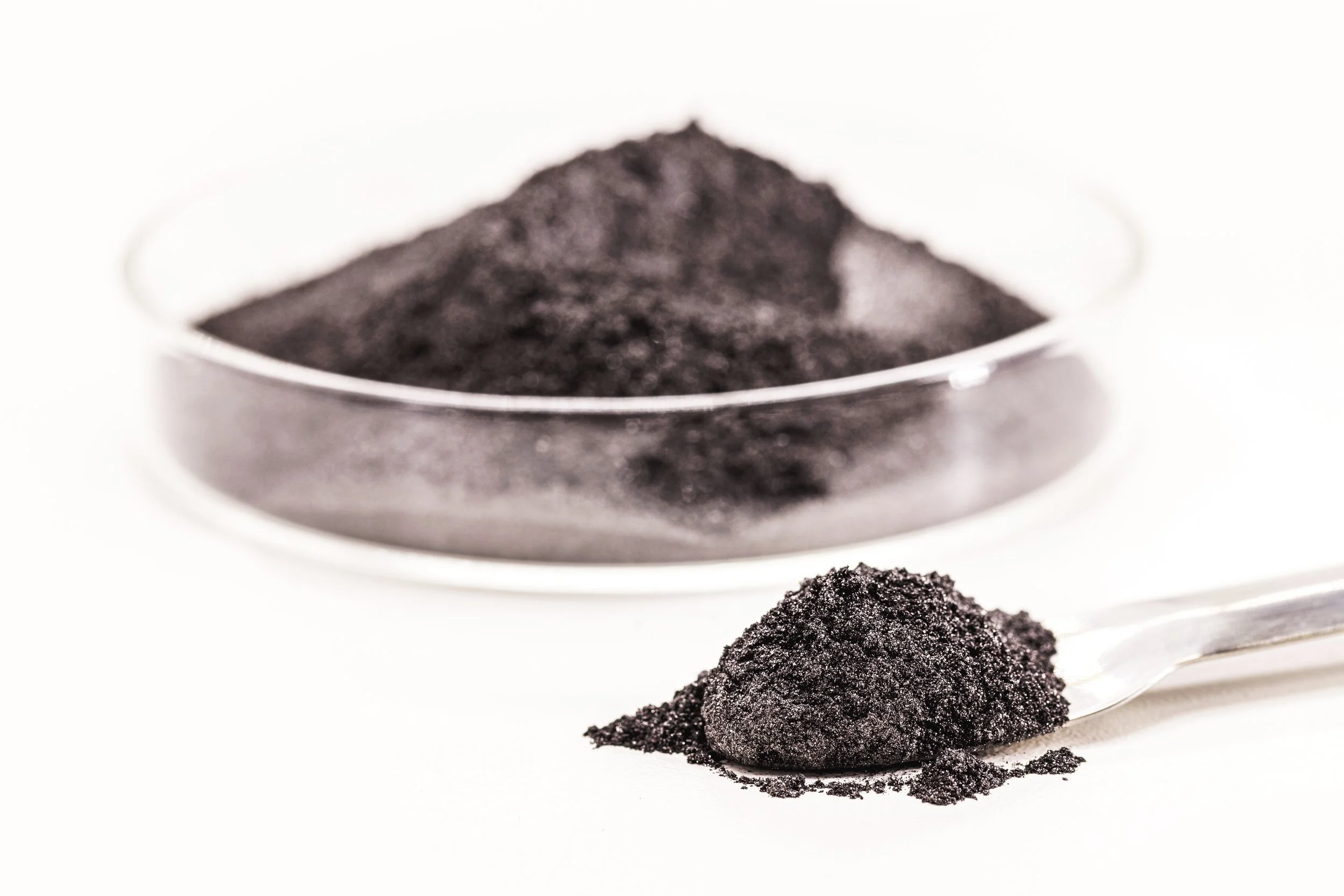
Improving Superior Jetness in Cosmetics
Achieving a true jet-black payoff in mascara and eyeliner requires more than just standard colorants; it requires advanced material science that meets international clean beauty and sustainability mandates.

Food for Thought: What Maine’s PFAS Law Means for Food Packaging
Food packaging is entering a new regulatory era—one where color, chemistry, and compliance are now inseparable.

2026: When Sustainability Mandates Reach the Materials Layer
Across global markets, a wave of sustainability mandates moves from frameworks and reporting pilots into enforceable, audited, and financially material requirements. Here is how those mandates will impact your specific industry.

5 Challenges & Solutions to De-Risk Your Supply Chain
Explore the often-overlooked issue of supply chain risk in material innovation, especially for companies transitioning to sustainable pigments.

Meeting France’s Stringent New Textile Rules with BioBlack
Europe is rapidly reshaping the fashion industry with some of the strictest environmental regulations in the world. Here’s what you need to know…